显示标签为“cnc and lathe machine”的博文。显示所有博文

2024年12月2日星期一

What is a Smart Lathe?


1. What is a Smart Lathe?

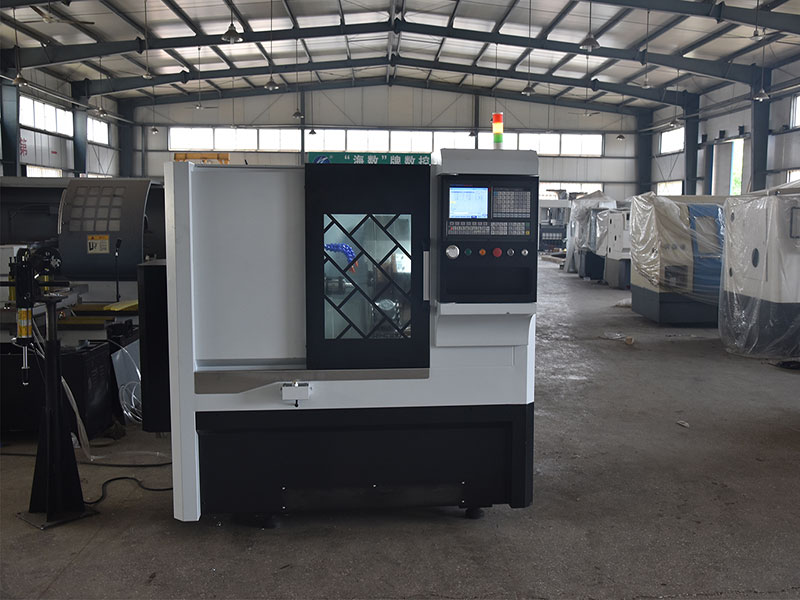
smart lathe integrates advanced technologies such as sensor technology, computer numerical control (CNC), network communication, and artificial intelligence to enhance traditional lathe operations. This sophisticated CNC lathe machine (станок с числовым программным управлением)can automatically complete machining tasks and precisely control processes based on preset programs and machining requirements.

2. How Does a Smart Lathe Improve Efficiency?

2.1 Automation in CNC Lathe Machines

Smart lathes significantly reduce the need for manual intervention compared to traditional CNC lathes (máy tiện CNC). They automate the monitoring of tool wear, dimensional accuracy, and machining status in real time. High-precision sensors are installed on the lathe bed, allowing for continuous assessment of the machining process. If any deviations in dimensions exceed predetermined limits or if tool wear is detected, the system can automatically adjust machining parameters or alert the operator to replace the tool.

2.2 Real-Time Monitoring and Adjustments

With various sensors in place, the smart lathe continuously checks tool conditions and workpiece dimensions. This real-time monitoring capability means that operators can maintain high levels of production efficiency. For instance, the tool wear detection system compensates for wear by adjusting tool offsets, while workpiece measurement sensors utilize laser or contact probe technology to ensure accuracy.

3. What Sensors Are Used in a Smart Lathe?

3.1 Types of Sensors for Smart Lathe Operations

Smart lathes are equipped with multiple types of sensors, each serving a specific purpose. For example, displacement sensors detect abnormal cutting forces during machining. When these forces exceed safe levels, the system can automatically adjust cutting parameters to prevent damage to both tools and workpieces. This proactive approach is essential in maintaining the integrity of CNC metal lathe operations.

3.2 Tool Wear Detection Systems

The tool wear detection system is critical in ensuring that machining operations remain efficient. After each machining cycle, specialized sensors assess tool conditions. If tools fall within acceptable wear limits, the system compensates for this wear, ensuring that machining quality is maintained. By utilizing these advanced sensor technologies, the smart lathe minimizes downtime and enhances production capabilities.

What is a Smart Lathe?

cnc lathe

4. How Does the CNC System Control a Smart Lathe?

4.1 Core Role of the CNC System

The CNC system is the heart of the smart lathe, enabling precise control over each motion axis. It operates based on pre-written machining programs, ensuring that the CNC turning machine executes tasks with high accuracy. Modern CNC systems feature graphical programming interfaces, allowing operators to easily set machining paths and parameters through intuitive graphical operations or simple code input.

4.2 Real-Time Data Processing

One of the standout features of contemporary CNC systems is their powerful computing capabilities. They can process data from sensors in real time, facilitating intelligent decision-making during machining operations. While major brands like Siemens, FANUC, Mitsubishi, and Syntec dominate the market, domestic systems such as GSK and KND are continually improving to meet evolving industry needs.

5. What Is the Importance of a Powered Turret in a Smart Lathe?

5.1 Functionality of the Powered Turret

A smart lathe typically includes a powered turret, which is essential for holding tools and enabling tool rotation under the lathe’s control. This feature expands the machining capabilities of the CNC lathe machine (CNC draaibank) significantly. Unlike ordinary turrets, the powered turret allows for power-driven tool rotation, making it possible to perform complex machining operations on various components.

5.2 Versatility in Machining Operations

The powered turret enhances the functionality of the CNC lathe ( CNC-Drehmaschine)by allowing operators to perform diverse machining tasks. It can turn outer circles and inner holes, mill flat surfaces, and even drill or tap parts. Additionally, the turret can be equipped with a Y-axis, enabling up-and-down movements, which further facilitates the machining of intricate workpieces.

6. How Does the Hydraulic Chuck Enhance Smart Lathe Performance?

6.1 Types of Hydraulic Chucks

Smart lathes require hydraulic chucks for optimal performance. These chucks come in two main types: front-mounted and rear-pull. The rear-pull type is the most widely used, featuring a design that maximizes waterproofing and resistance to cutting fluids. This design is particularly beneficial in harsh machining environments where significant amounts of cutting fluid are employed.

6.2 Benefits of Using Hydraulic Chucks

The hydraulic chuck enhances the operational efficiency of a CNC turning machine by ensuring a secure hold on the workpiece. This stability is critical for achieving high machining accuracy and prolonging tool life. By minimizing vibrations and maintaining consistent pressure, hydraulic chucks contribute to the overall effectiveness of the smart lathe.

cnc lathe machine

cnc turning machine

7. Why Choose a Smart Lathe for Your Machining Needs?

7.1 Tailored Solutions for CNC Lathe Machines

If you’re searching for an ideal CNC lathe partner to boost production efficiency, improve machining accuracy, and reduce manufacturing costs, a smart lathe is the solution. Our professional team is dedicated to providing personalized consulting services to help you find the most suitable CNC lathe (macchina per tornitura CNC)solution based on your specific needs and production scenarios.

7.2 Partnering for Success in CNC Machining

Whether you’re a new enterprise entering the CNC machining field or an established industry leader seeking technological upgrades, we are here to assist you. Our goal is to work collaboratively with you to leverage the capabilities of the smart lathe, ensuring it becomes a pivotal asset in your manufacturing processes. Together, we can create a successful future, making the CNC lathe (máquina de torno CNC) a powerful tool for your enterprise’s growth and efficiency.

In conclusion, the smart lathe represents a significant advancement in machining technology. By integrating various technologies and automation features, it enhances productivity and precision in CNC operations. From tool wear detection to real-time monitoring, the smart lathe is designed to meet the demands of modern manufacturing. If you are ready to enhance your operations with a state-of-the-art CNC lathe machine (machine à tour CNC), don’t hesitate to reach out for expert guidance and support.




2024年11月25日星期一

How to Get to Know CNC Lathe Manufacturers?


1. How to Get to Know CNC Lathe Manufacturers?

CNC lathe manufacturers are specialized factories that produce CNC lathe machines (máquina de torno CNC), including CNC metal lathes(machine de tour CNC), slant bed CNC lathes (CNC-Drehmaschine), small CNC lathes (máquina de torno CNC), and mini CNC lathes (станок с ЧПУ CNC). With numerous manufacturers available, customers often face challenges when selecting the right CNC lathe for their needs. Understanding how to identify a genuine CNC lathe manufacturer is crucial. In this article, we will introduce Tai’an Haishu, a reputable manufacturer of CNC lathes, to provide a clear reference point.

2. What Should You Consider When Choosing CNC Lathe Manufacturers?

2.1 Clarifying Your Requirements

Before approaching CNC lathe manufacturers, it’s essential to clarify your specific requirements. Identify the processing materials you will be using, such as metals, plastics, or composite materials. Different CNC lathes(CNC 선반 ) have varying capabilities in handling these materials. Ensuring that the manufacturer can provide a machine that effectively processes your main materials is vital.

2.2 Assessing Processing Accuracy and Complexity

Consider the required accuracy and complexity of the parts you intend to produce. If you need high-precision parts, look for CNC lathe manufacturers that offer advanced CNC lathe machines (آلة تشكيل CNC) capable of strict tolerance control and stable performance. This is particularly important for complex parts, where precision is key.

3. How to Evaluate CNC Lathe Manufacturers?

3.1 Market Research

Conduct thorough market research to learn about potential CNC lathe manufacturers. Avoid relying solely on advertisements; instead, utilize professional patent websites or industry-sharing platforms to gather information. For example, Tai’an Haishu holds design patents in South Korea, the United Kingdom, and has a CE certificate approved by the European Union.

Certifications and Proof of Quality

Request paper or electronic certificates as proof of the manufacturer’s credentials. This documentation can include quality management system certifications or design patents. Tai’an Haishu can provide these documents upon request, ensuring transparency and reliability.

How to Get to Know CNC Lathe Manufacturers?

cnc lathe

4. What Factors Influence the Cost of CNC Lathes?

4.1 Comparing Cost-Performance Ratios

When evaluating CNC lathe manufacturers, consider the cost and cost-performance ratio of their CNC lathes(CNC torna tezgahı). Compare prices, but don’t let cost be your only deciding factor. Look at the overall performance, quality, and configuration of the machines. Sometimes a slightly higher-priced CNC lathe can offer greater long-term value due to lower energy consumption and reduced maintenance costs.

4.2 Understanding Long-Term Costs

Inquire about the energy consumption of the CNC lathe machine (máy tiện CNC)and opt for energy-efficient models to minimize operational costs over time. Additionally, evaluate the compatibility of tools and the expected service life of the machine. Understanding the maintenance requirements and costs associated with each CNC lathe is crucial for long-term planning.

5. How Important is After-Sales Service from CNC Lathe Manufacturers?

5.1 Evaluating After-Sales Support

The after-sales service capability of CNC lathe manufacturers is critical. When equipment malfunctions, a quick response can significantly reduce downtime and associated production losses. Investigate the size and distribution of the manufacturer’s after-sales service team to ensure you can receive timely technical support.

5.2 Service Availability

Tai’an Haishu provides a 24-hour service mechanism, including online support, video assistance, and on-site visits. This comprehensive support system ensures that customers can resolve issues quickly and efficiently.

6. What Makes Tai’an Haishu a Preferred CNC Lathe Manufacturer?

6.1 Customization Capabilities

Tai’an Haishu stands out among CNC lathe manufacturers due to its ability to customize CNC lathe machines according to customer specifications. Whether you need a slant bed CNC lathe, small CNC lathe, or mini CNC lathe, Tai’an Haishu can tailor solutions to fit various processing needs.

6.2 Commitment to Customer Satisfaction

As a professional manufacturer of CNC machine tools, Tai’an Haishu is dedicated to achieving 100% customer satisfaction. We encourage customers to visit our factory in person to see our manufacturing capabilities and verify that we are a genuine manufacturer, not just a sales company.

cnc lathe machine

cnc metal lathe


7. Conclusion: Making Informed Choices with CNC Lathe Manufacturers

In conclusion, understanding how to evaluate CNC lathe manufacturers is essential for making informed purchasing decisions. By clarifying your requirements, conducting market research, comparing costs, and assessing after-sales service, you can identify a reliable CNC lathe manufacturer that meets your needs. Tai’an Haishu exemplifies a manufacturer that prioritizes quality, customization, and customer support. With a diverse range of CNC lathe machines, including CNC metal lathes and slant bed CNC lathes, we are committed to providing effective solutions for all your machining needs. Your inquiries are always welcome, and we look forward to assisting you in finding the perfect CNC lathe for your operations.


2024年11月18日星期一

What Is a CNC Lathe Slant Bed?


1. What Is a CNC Lathe Slant Bed?

1.1 Understanding the CNC Lathe Slant Bed

CNC Lathe Slant Bed is a specialized type of CNC machine tool designed for precision machining in the mechanical processing field. This advanced machine combines the traditional turning functions of a CNC lathe (CNC-Drehmaschine) with enhanced features that improve efficiency and processing capabilities. The slanted bed design allows for better chip removal and enhanced stability during operations, making it a popular choice among manufacturers. Let’s delve into the features and configurations of the CNC Lathe Slant Bed from Tai’an Haishu.

1.2 Design Characteristics

The distinctive feature of a CNC metal lathe (ЧПУ токарный станок) is its inclined structure, typically set at an angle between 30° and 60°, with 45° being the most common. This design enhances the machine’s chip removal performance, allowing chips to slide down naturally under gravity, thus preventing accumulation that can affect processing accuracy.

2. How Does a CNC Lathe Slant Bed Work?

2.1 Core Components of the Machine

The CNC Lathe Slant Bed consists of several essential components:

  • Spindle: Provides the rotational force necessary for machining.
  • X-axis and Z-axis: Allow for precise movement in multiple directions.
  • Tool Turret: Holds various tools required for different machining operations.
  • Tailstock: Supports longer workpieces.
  • Chuck: Secures the workpiece during machining.

2.2 Functionality

These components work together to facilitate complex machining processes, including turning, drilling, and milling. The integration of advanced CNC systems enables precise control over the machining process, allowing for high-quality production of intricate parts.

3. What Are the Benefits of Using a CNC Lathe Slant Bed?

3.1 Enhanced Precision and Efficiency

One of the primary advantages of using a CNC Lathe Slant Bed is its ability to achieve high precision in machining. The machine can produce parts with tolerances as tight as ±0.001mm, making it suitable for industries with stringent quality requirements, such as aerospace and medical manufacturing.

3.2 Improved Stability

The slant bed design also contributes to greater stability during machining processes. The rigidity of the construction ensures that cutting forces do not adversely affect the accuracy of the finished part.

3.3 Versatility in Applications

CNC Lathe Slant Beds are versatile and can handle various materials, including aluminum, steel, and plastics. This adaptability makes them suitable for a wide range of projects, from small prototype runs to large-scale production.

What Is a CNC Lathe Slant Bed?

cnc lathe

4. How Do You Choose the Right CNC Lathe Slant Bed?

4.1 Key Features to Consider

When selecting a CNC lathe machine (ЧПУ токарный станок), several important features should be evaluated:

  • CNC System: The backbone of any CNC machine (máy tiện CNC), a reliable system is crucial for performance. Popular systems include KND and GSK, known for their cost-effectiveness and functionality.
  • Tool Turret Options: Ensure the machine has a versatile tool turret that can accommodate various tools required for complex operations.
  • Chuck Type: The choice between hydraulic and manual chucks can impact efficiency and ease of use.

4.2 Recommendations for First-Time Buyers

For those new to CNC technology, choosing a machine with user-friendly features and robust support is essential. Tai’an Haishu’s CNC turret lathe offers comprehensive training and technical support, making it an ideal choice for beginners.

5. What Are the Maintenance Requirements for a CNC Lathe Slant Bed?

5.1 Regular Maintenance Practices

To ensure optimal performance and longevity of a CNC metal lathe (máy tiện CNC), regular maintenance is necessary. This includes:

  • Lubrication: Regularly lubricate moving parts to reduce wear and tear.
  • Calibration: Periodically check and calibrate the machine to maintain accuracy.
  • Cleaning: Keep the machine clean by removing chips and debris after each use.

5.2 Importance of Maintenance

Neglecting maintenance can lead to decreased performance and costly repairs. By adhering to a regular maintenance schedule, operators can enhance the reliability and efficiency of their CNC turning machines (CNC 선반).

6. What Are the Common Applications of CNC Lathe Slant Beds?

6.1 Versatile Machining Capabilities

CNC Lathe Slant Beds are widely used in various industries, including:

  • Automotive Manufacturing: Producing components such as gears, shafts, and housings with high precision.
  • Aerospace Components: Crafting intricate parts that meet stringent safety and performance standards.
  • Medical Devices: Creating specialized instruments and implants that require precise machining.

6.2 Specialized Uses

These machines are also suitable for specialized applications, such as producing parts for robotics or complex assemblies that require multiple machining processes.

cnc lathe

cnc lathe machine

7. How to Maximize the Use of a CNC Lathe Slant Bed?

7.1 Training and Expertise

Investing in training for operators can significantly enhance the effectiveness of CNC lathes (مخرطة CNC). Understanding the machine’s capabilities allows for better planning and execution of machining operations.

7.2 Customized Solutions

Tai’an Haishu offers customized solutions tailored to specific workpiece needs, ensuring manufacturers can optimize their CNC lathe (torno CNC) configurations for improved processing efficiency and quality.

8. Conclusion: The Future of CNC Lathe Slant Beds

In conclusion, a CNC Lathe Slant Bed is an invaluable tool for modern machining operations. With features such as advanced CNC systems, versatile tool turrets, and high precision, these machines are essential for meeting the demands of contemporary manufacturing. Investing in a CNC Lathe Slant Bed from Tai’an Haishu ensures you have the technology needed to excel in your machining projects. For inquiries or to learn more, please contact us or visit our facility to see our machines in action.


2024年11月4日星期一

What Is an NC Lathe?


1. What Is an NC Lathe and Its Purpose?

An NC lathe, commonly referred to as a CNC lathe (ЧПУ токарный станок)or CNC lathe machine (CNC-Drehmaschine), is specifically designed for machining non-ferrous metals, including iron, aluminum, copper, stainless steel, and various plastics. The versatility of the CNC lathe allows it to produce high-precision components efficiently. With different configurations and functionalities available, selecting the right automatic lathe can often be a daunting task for many customers. In this article, we will introduce Tai’an Haishu CNC lathes to help you understand what type of automatic lathe you should consider purchasing and provide insights into the pricing of CNC lathes (máy tiện CNC).

1.1 Key Features of NC Lathes

  1. Precision Machining: NC lathes are designed to achieve high levels of accuracy and repeatability, making them ideal for producing complex geometries.
  2. Versatility: CNC lathes (مخرطة CNC) can machine a variety of materials and handle different operations such as turning, milling, and drilling.
  3. Automation: Modern NC lathes often have automated features that enhance productivity and reduce manual labor requirements.

2. How to Choose the Right NC Lathe?

2.1 Important Configurations to Consider

When selecting a CNC lathe, several critical configurations must be taken into account:

  • CNC System: The backbone of any CNC lathe, the system determines how the machine is programmed and operated.
  • CNC Tool Turret: This component holds the cutting tools and is essential for efficient machining.
  • Chuck Type: The chuck secures the workpiece during machining and can vary significantly in functionality.
  • Tailstock: Important for supporting longer workpieces, the tailstock can impact the machine’s overall capabilities.
  • Feeder Options: These can improve automation and efficiency in production.

2.2 Recommended CNC Systems

When it comes to CNC systems, well-known brands like Germany’s Siemens, Japan’s Fanuc and Mitsubishi, and Taiwan’s New Generation are highly regarded for their reliability and performance. However, these systems often come with higher costs and complex service requirements.

We recommend considering GSK and KND systems, which are domestic options that support all G-codes and M-codes, as well as various composite cycle programs and macro programs. They are compatible with mainstream CNC lathe programming software and can accommodate custom functionalities based on customer needs. Most importantly, these systems are cost-effective, offering prompt post-sales service and debugging.

3. What Are the Chuck Options for an NC Lathe?

3.1 Choosing the Right Chuck Type

When you purchase a CNC lathe machine, chuck selection is crucial for achieving optimal performance.

  • Three-Jaw Manual Chuck: Commonly used on flat bed CNC lathes, this manual chuck provides strong universality but works slowly due to its manual operation.
  • Three-Jaw Hydraulic Chuck: Often preferred for inclined bed CNC lathes, this chuck allows for automatic clamping of workpieces. Although it requires longer setup times and adjustments, it is favored for automated processing due to its hydraulic power output, which offers a higher compression ratio than pneumatic options.

3.2 Tai’an Haishu Chuck Options

Tai’an Haishu allows customers to choose between three-jaw and four-jaw chucks based on their machining needs. When ordering your CNC lathe, it’s essential to specify your preference to ensure optimal performance.

What Is an NC Lathe?

cnc lathe

4. What Is the Role of the CNC Tool Turret in an NC Lathe?

4.1 Importance of the Tool Turret

The CNC tool turret is a vital component of any automatic lathe, as it holds the cutting tools and facilitates quick tool changes.

  • Electric Tool Holders: Typically available in 4, 6, or 8 station configurations, electric tool holders are popular due to their affordability and ease of replacement. However, they may cause vibrations during heavy machining due to their thinner body.
  • Hydraulic Servo Tool Turrets: For higher machining demands, hydraulic servo tool turrets are preferred. These turrets provide quick tool changes while maintaining strong rigidity, making them suitable for heavy machining applications. They also allow for the installation of powered tools such as drills and milling cutters, enabling a combination of operations like turning and milling.

5. How Does the Tailstock Function in an NC Lathe?

5.1 Understanding Tailstock Functions

The tailstock is another important feature of CNC lathes (CNC torna tezgahı), especially for processing long shaft workpieces. Shorter bed CNC lathes (torno CNC) typically lack a tailstock unless it is necessary to support longer workpieces against vibration.

5.2 Tailstock Power Options

  • Manual Tailstocks: Require human effort to operate and can be prone to slipping.
  • Pneumatic Tailstocks: Use air for driving and are suitable for lighter machining loads.
  • Hydraulic Tailstocks: Ideal for heavy or long workpieces, providing a firm grip and stability.

Choosing the right tailstock option based on your specific needs is crucial for effective machining.

6. How Does Tai’an Haishu Support Your NC Lathe Needs?

6.1 Commitment to Quality and Customization

Tai’an Haishu is a leading manufacturer specializing in CNC lathes, focusing on design, manufacturing, sales, and service. Our CNC machine tools are recognized for their high cost-performance ratio and robust customization capabilities.

6.2 Invitation to Visit

We invite customers interested in CNC lathe machines to visit our factory, where we can showcase the advanced technology and capabilities of our CNC lathes. This visit will provide insights into how our products can meet your specific machining needs.

cnc lathe machine

cnc and lathe machine

7. Conclusion

In conclusion, understanding the components and functionalities of an NC lathe is essential for making informed purchasing decisions. With various configurations available, including CNC systems, chucks, tool turrets, and tailstocks, the right setup can greatly enhance your machining capabilities. Tai’an Haishu offers a wide range of CNC lathes designed to meet diverse industrial requirements. For more information or inquiries, please contact us or arrange a visit to our facility.


2024年10月21日星期一

What Is a CNC Turn Mill?


1. What Is a CNC Turn Mill?

A CNC turn mill is a sophisticated machine that combines the functions of a CNC lathe (CNC-Dreh maschine)with additional milling capabilities. This multifunctional, multi-axis system is designed to meet the complex processing requirements of various industries, including automotive, aerospace, and medical devices. By streamlining and enhancing machining processes, the CNC turn-mill offers significant advantages in precision and efficiency. In this article, we will explore the features and benefits of CNC turn mills, particularly those offered by Tai’an Hai Shu.

2. What Are the Core Components of a CNC Turn Mill?

2.1 Fundamental Components

The essential components of a CNC lathe machine (Máy tiện CNC) include:

  • Numerical Control System: The brain of the machine that manages operations.
  • Spindle: Provides the rotational force needed for machining.
  • X-axis and Z-axis: Allow for precise movement in multiple directions.
  • Tool Turret: Holds various tools needed for different machining operations.
  • Tailstock: Supports long workpieces.
  • Chuck: Secures the workpiece in place during machining.

2.2 Expanded Functionality

Traditional CNC lathes (Torno CNC) primarily focus on turning operations for axial and end faces. While effective, these machines have limitations that fail to meet the increasing demands of modern manufacturing. To address this, Tai’an Haishu developed CNC turn mills with integrated milling and drilling capabilities, known as composite machining systems.

3. How Does a CNC Turn Mill Enhance Machining Processes?

3.1 Multifunctional Power Turret

One of the standout features of a CNC turn mill is its multifunctional power turret. Typically equipped with 12 stations, this turret can accommodate various tools, including:

  • Drill Bits
  • Milling Cutters
  • Taps

Each station is independently controlled, allowing for the installation of multiple tools simultaneously. This capability enables drilling, milling, and threading operations to be executed in one setup, significantly improving efficiency.

3.2 Vertical Y-Axis for Complex Workpieces

For more advanced milling operations, a vertical Y-axis can be integrated into the power turret. This feature allows for up-and-down movement, enabling the CNC turn mill to process a wider variety of complex workpieces. As a result, it has become a mainstream choice in the market for efficient machining.

What Is a CNC Turn Mill?

cnc lathe

4. What Numerical Control Systems Are Available for CNC Turn Mills?

4.1 Recommended Systems

Tai’an Haishu recommends using the KND and GSK systems for their CNC turn mills. These systems are specifically designed for multi-axis control and can be easily customized for various functionalities. They provide a cost-effective solution compared to other systems like Siemens, Fanuc, and Mitsubishi, which, while high-performing, can be prohibitively expensive for many businesses.

4.2 Considerations for New Users

For customers who are new to the machining industry or are operating under budget constraints, opting for the KND or GSK systems can offer significant advantages. These systems are user-friendly and allow for a faster learning curve, making them suitable for beginners.

5. How Does a CNC Turn Mill Ensure Reliable Workpiece Clamping?

5.1 Hydraulic Chuck Mechanism

Most CNC turn mills are equipped with a hydraulic chuck that provides automatic clamping. This mechanism ensures that the workpiece is held securely during machining operations. Hydraulic clamping systems are particularly beneficial as they can withstand significant vibrations generated during milling or intermittent cutting.

5.2 Positioning Holes for Quick Setup

Modern hydraulic chucks come with positioning holes that facilitate quick and precise clamping of workpieces. When combined with an automated feeding mechanism, these systems enable fully automatic machining processes, reducing manual intervention and increasing productivity.

6. What Types of Linear Guides Are Used in CNC Turn Mills?

6.1 Importance of High-Specification Linear Guides

CNC turn mills require high-quality linear guides to ensure efficient and precise machining. The two primary types of guides used are:

  • Roller Guides: Known for their cylindrical contact, roller guides are capable of withstanding cutting stresses. They are ideal for heavy-duty machining and rough operations.
  • Ball Guides: These guides use ball contact for smoother operation, making them suitable for precision machining, especially with non-ferrous metals. However, ball guides may vibrate under heavy loads, which should be considered in the selection process.

6.2 Choosing the Right Guide System

When selecting a CNC turn mill, prioritize machines equipped with high-quality linear guides. The right guide system will ensure that your CNC metal lathe (مكينة CNC للتدوير) can meet the precision and speed required for modern machining tasks.

cnc lathe machine

cnc metal lathe

7. How Can You Get Started with a CNC Turn Mill?

7.1 Explore Tai’an Haishu’s Offerings

To gain a comprehensive understanding of CNC turn mills, consider exploring the machines offered by Tai’an Haishu. Their range of CNC turning centers includes models equipped with advanced features designed to meet the needs of various industries.

7.2 Contact for More Information

If you’re interested in learning more about CNC turn mills, feel free to reach out to Tai’an Haishu via email or visit their official website. Their knowledgeable team is ready to provide you with detailed information and support, ensuring you make an informed decision.

8. Conclusion

In conclusion, a CNC turn mill is an invaluable tool for modern machining, combining the functionalities of a CNC lathe (CNC torna) with advanced milling capabilities. With features like a multifunctional power turret, high-quality linear guides, and user-friendly numerical control systems, CNC turn mills enhance productivity and precision. For businesses looking to invest in a CNC turning machine(ЧПУ токарный станок), Tai’an Haishu offers a range of options that cater to various operational needs, making it a smart choice for anyone in the machining industry.